Selling Your Northern Virginia Home in 2026: Why Pricing Strategy Beats Hope
How to sell a Northern Virginia home in 2026: why pricing strategy beats hope, how to use concessions, and how to protect your equity in a normalizing market.
Quick Answer: Selling a Northern Virginia home in 2026 rewards strategy over optimism. With the median sold price near $765,000, inventory up ~18.5%, and mortgage rates around 7%, buyers have more choices and leverage than in recent years. Homes priced above true market value are sitting 45+ days and taking sharp reductions. The sellers who protect the most equity are the ones who price correctly from day one, prepare the property, and use concessions strategically — not the ones who chase a number and hope.
Your Listing Price Is a Marketing Decision
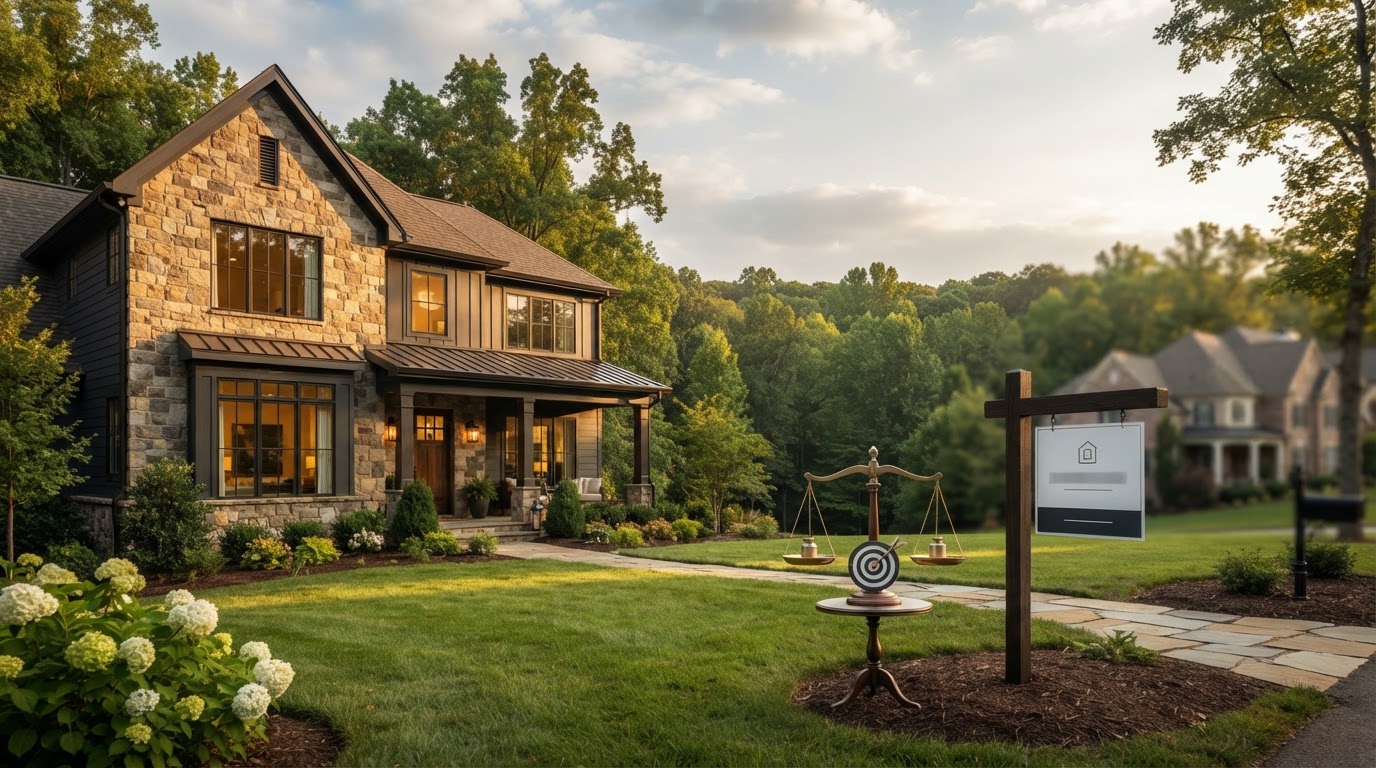
The biggest misconception sellers bring to 2026: "I can always come down." In a market with more inventory, overpricing does real damage. A home that launches high and sits becomes stigmatized — buyers assume something's wrong and wait for the reduction, then lowball. The first two weeks on market are when you capture the most serious, ready buyers. Price to meet them.
Pricing strategy means using comparable sales, current competition, and condition to land at a number that generates showings and offers early rather than testing a ceiling.
What Happens When You Overprice
- Longer days on market. Overpriced homes often sit 45+ days versus ~26 for well-priced ones.
- Bigger price cuts. The reduction needed after sitting is usually larger than the modest pricing headroom you'd have given up at launch.
- Lost negotiating leverage. A stale listing invites low offers and concessions you wouldn't have faced fresh.
- Buyer financing risk. An overpriced home may not appraise, which can collapse or re-trade a deal.
Prepare Before You List
Today's rate-sensitive buyers are wary of projects. Small, high-return preparations matter more than ever:
- Declutter and depersonalize so buyers see the space, not your stuff.
- Address obvious deferred maintenance — leaky faucets, scuffed paint, broken fixtures signal "more work ahead."
- Strategic updates like fresh paint and clean flooring cost little and change perceived value a lot.
- Stage key rooms to help buyers imagine living there.
- Professional photos — most buyers see your home online first.
Use Concessions as a Tool, Not a Loss
In 2026, offering a concession can cost less and close faster than a price cut. Options:
- Seller-paid closing costs help rate-squeezed buyers qualify and close.
- A rate buydown lowers the buyer's monthly payment for 1–2 years — often cheaper than dropping the price and keeps your sale price intact.
- Repair credits after inspection keep deals together without reopening price.
The right concession depends on the buyer and the offer. I evaluate offers on price and terms — the highest number isn't always the strongest deal.
Evaluate Every Offer on Its Real Strength
When offers come in, look beyond the headline price:
- Financing type — conventional vs. FHA/VA affects appraisal and repair demands.
- Down payment and reserves — stronger buyers close more reliably.
- Contingencies — fewer contingencies mean less re-trading risk.
- Timeline — a flexible close can be worth more than a slightly higher price.
Jason's Take
Selling well in 2026 is about protecting equity through preparation and pricing discipline, not gambling on a peak. I start every listing with a real value analysis — comps, competition, condition — so we launch at a price that creates urgency rather than a price that creates silence. The goal is the most net proceeds in your pocket, not the biggest number on a sign.
Frequently Asked Questions
Is 2026 a good time to sell a house in Northern Virginia?
Prices remain near record highs (~$765K median), so equity is strong. Success requires correct pricing and preparation, since buyers now have more inventory and negotiating power.
Should I renovate before selling?
Focus on high-return, low-cost prep — paint, decluttering, repairs, and staging. Major renovations rarely return full cost at sale; price to reflect condition instead.
What if my home doesn't appraise at the sale price?
An appraisal gap can re-trade or collapse a deal, which is why overpricing is risky. Pricing to true market value reduces appraisal risk and protects the sale.
Are sellers paying closing costs in Northern Virginia now?
Yes, increasingly. Closing-cost credits and rate buydowns are common concessions, often a smarter move than a price reduction.
Sources & Methodology
NVAR and Bright MLS August 2026 market statistics; Freddie Mac PMMS rates (September 2026); observed 2026 listing and concession patterns. Accessed September 2026.
Want to know what your home could sell for?
Start with a free, no-pressure property value analysis — real comps, real competition, no guesswork. Get your free home value.
Related resources
Want Jason to analyze a property?
Send the address or listing link and I'll help you run the numbers.